Back in school, I asked my fine art professor, “Do you make arts based on spontaneity, or do you know exactly why you make each decision?” He answered that it was largely spontaneous. But I tend to think, and even overthink, about decision making. Thus I did not turn out to be an artist, but a designer.
Despite our efforts in rationalizing design thinking, in the business world today, spontaneity is almost doomed in design execution. Don’t get me wrong, I love to hear “I love this.” What I’m also very, very curious to learn, is what it is that we love so much that make a product inherently different. How does it contribute to a realization in value, and what does it inform us along the way? This mentality has guided me in my career in product design.
In this case study, I will present how I used design thinking at Dentsu, one of the largest conglomerate in digitalization, and provided a model that guides impactful design delivery with client company.
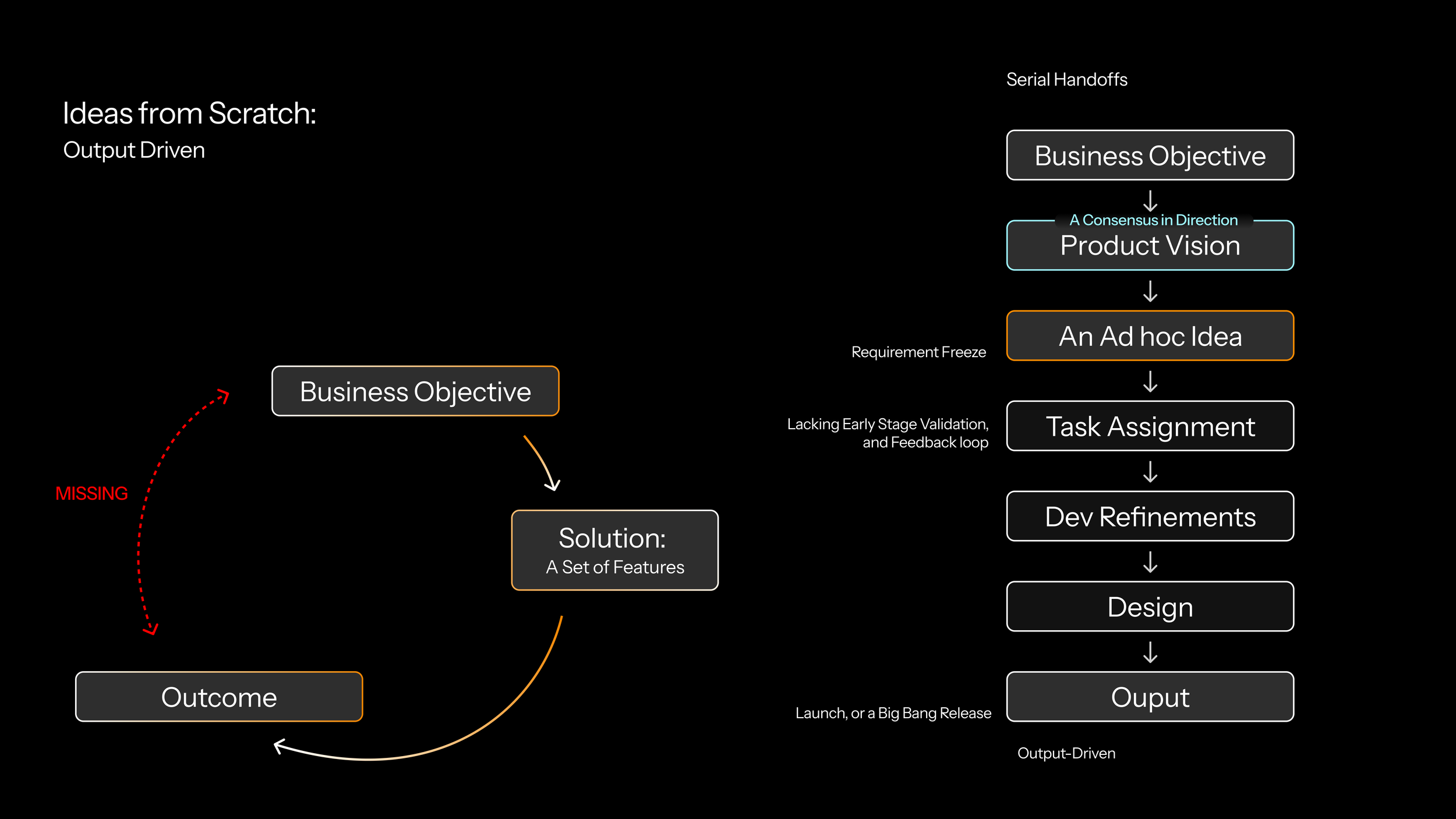
The Old Working Methodology
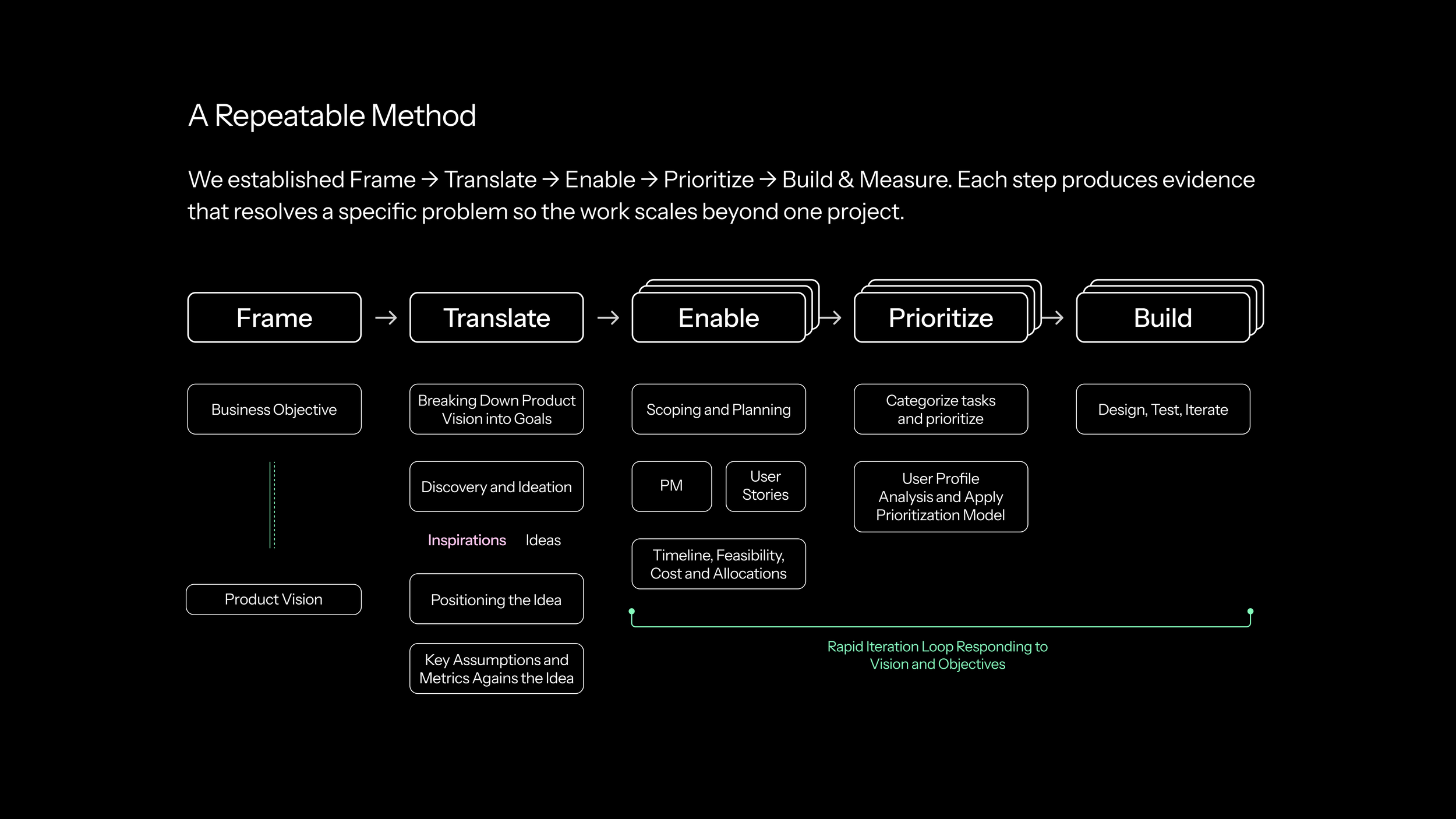
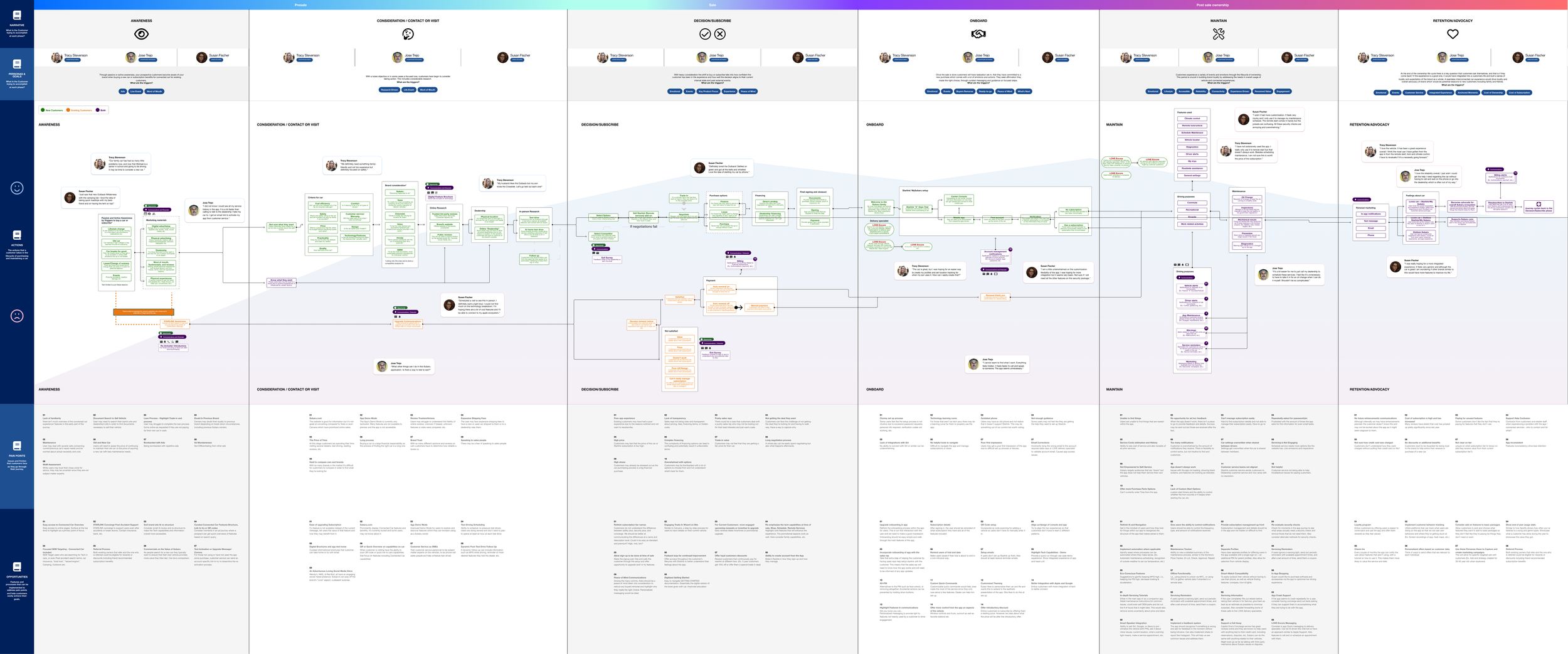
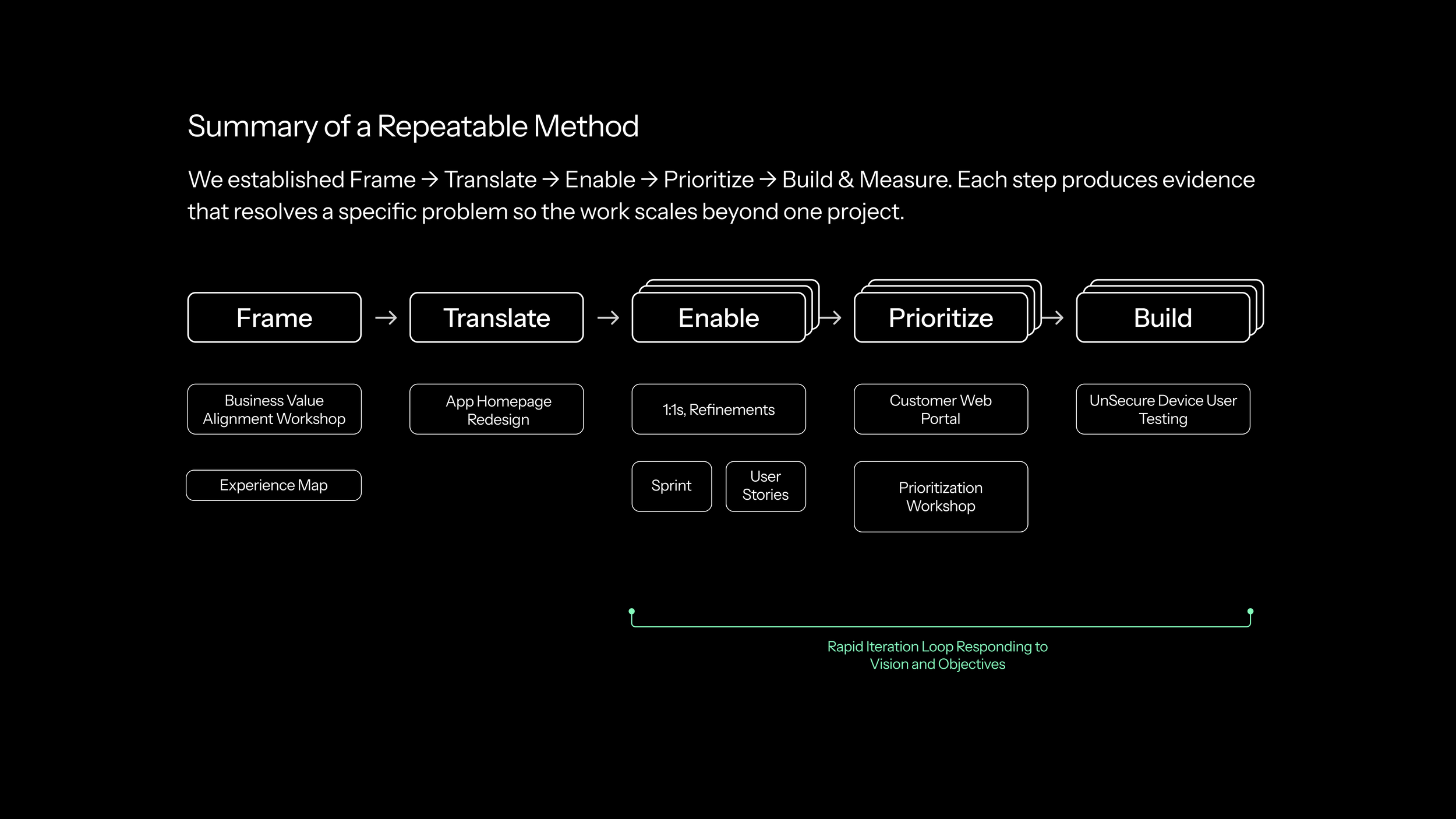
Frame
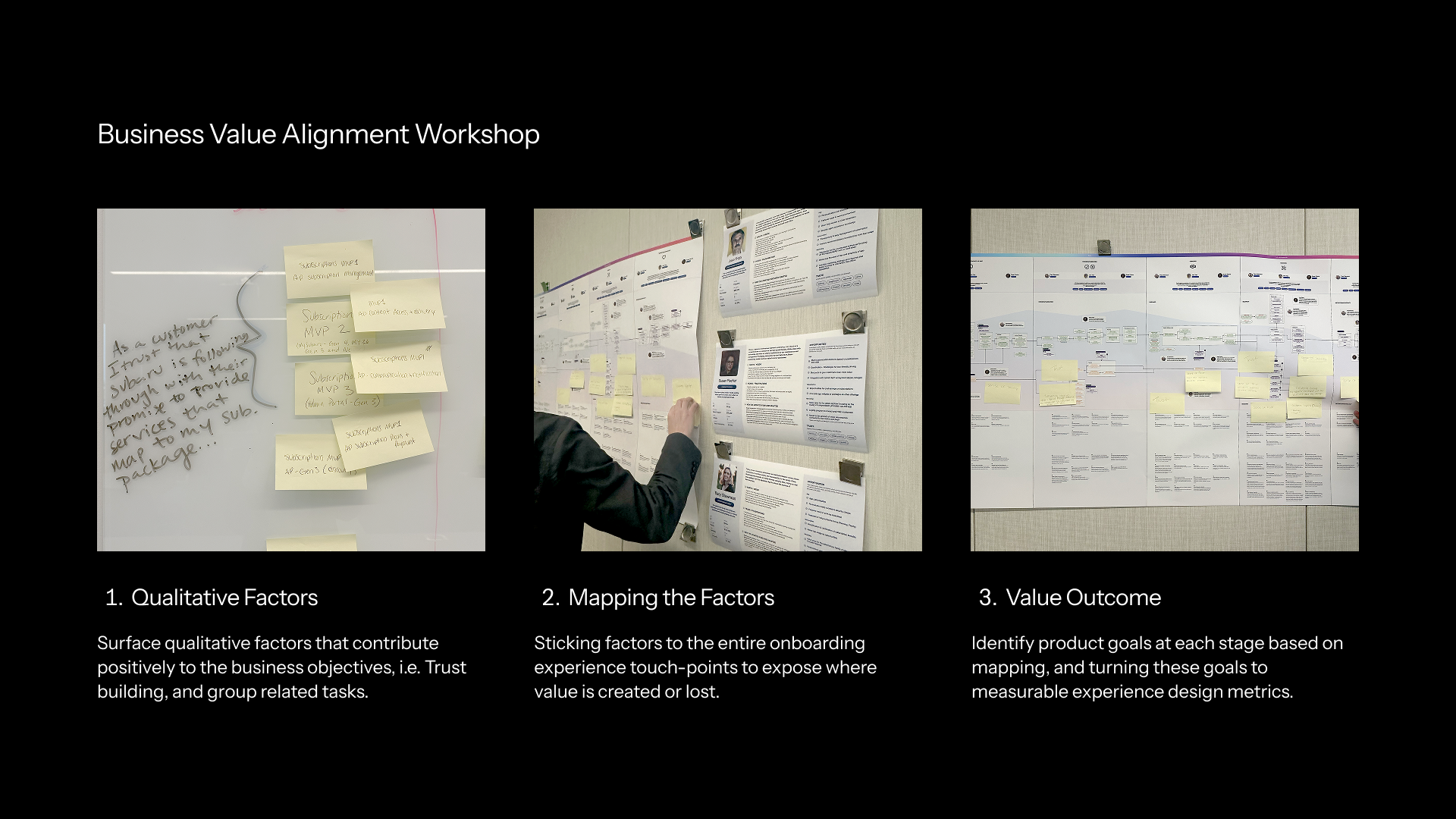
Breaking down the business objectives, turning them to a Discovery-Driven, Directional Product Vision. Build team consensus and team resiliency from the start.
This step ties customer experience to business outcomes and establish a shared journey, vocabulary, and north star.
2. Translate
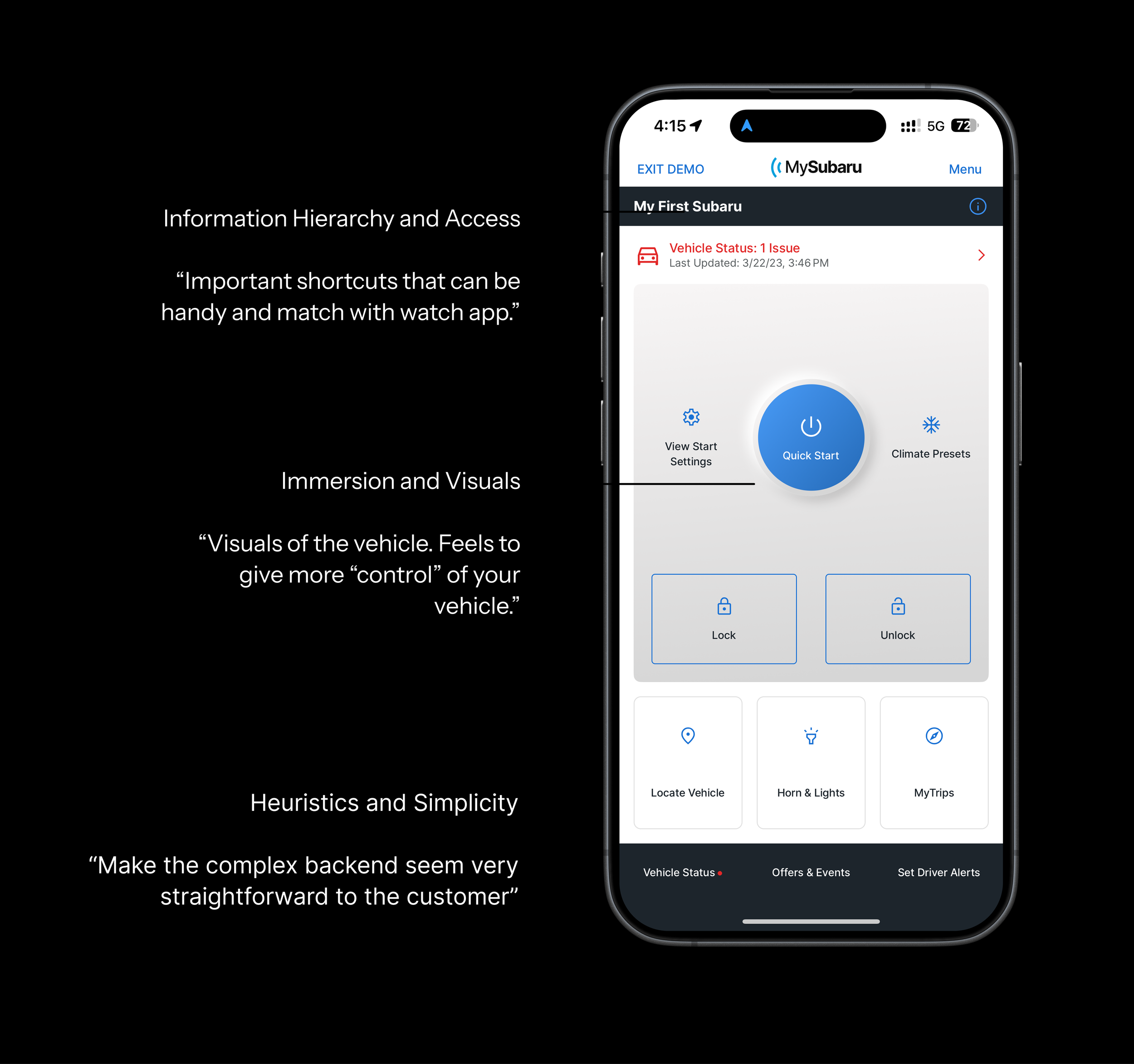
Here, we give places for ideas, inspirations, and turn them into testable, measurable projects.
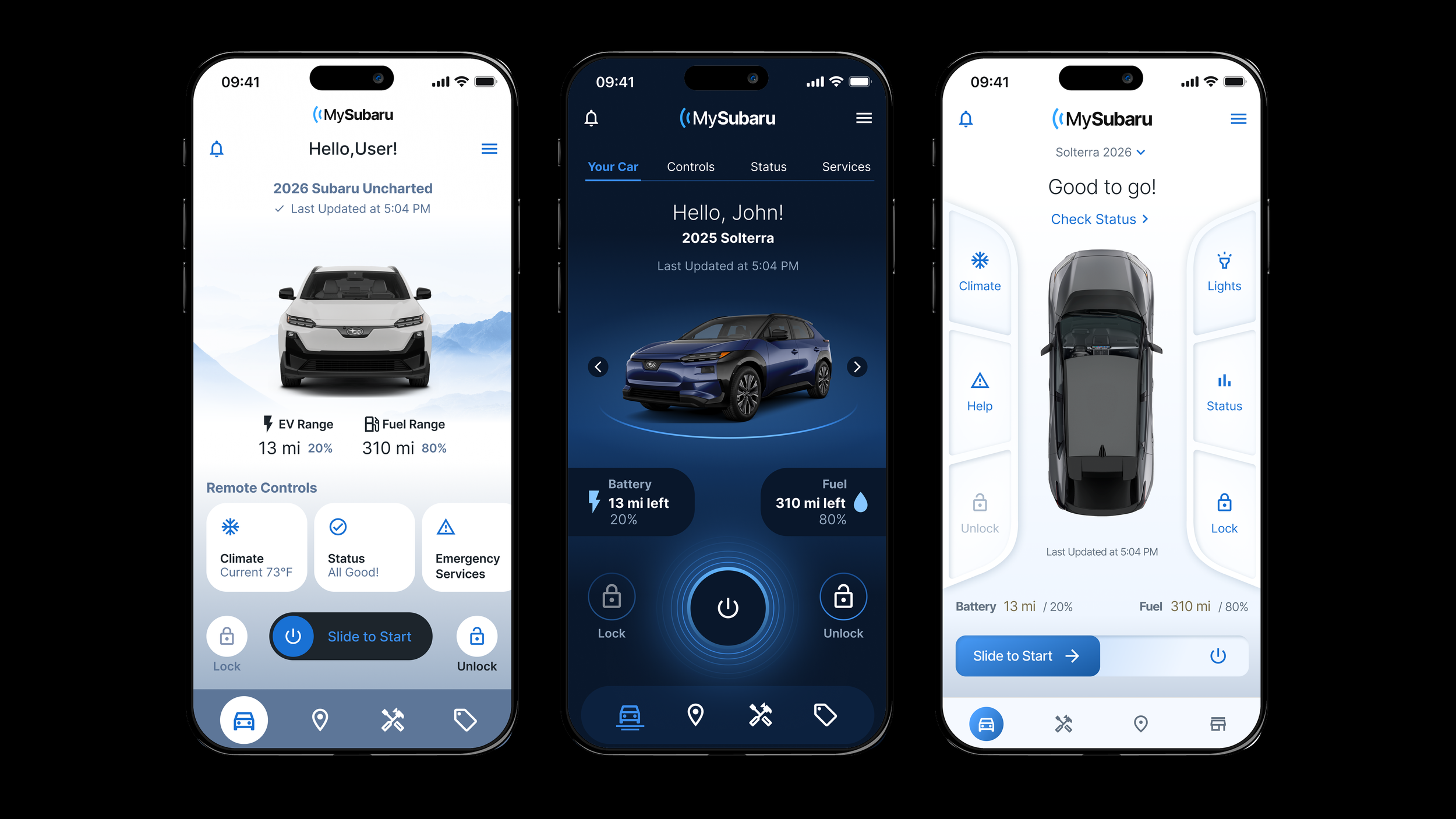
This step turns the overarching strategy into a concrete actions. In the following example Homepage Design, We convened engineering, product, and design to define value signals for Home.
3. Enable
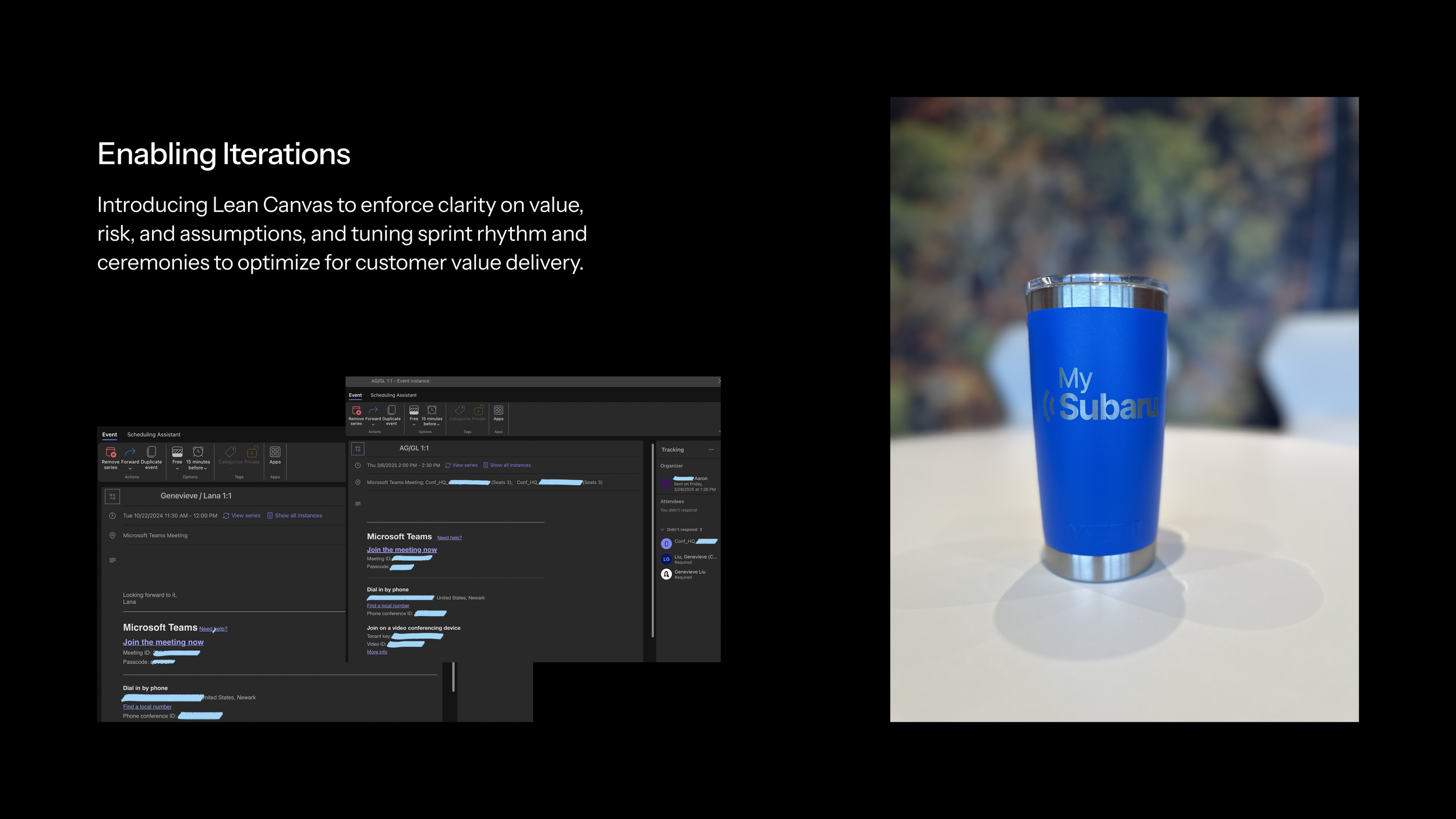
This step stands up a repeatable operating system with Client.
It enables fast-paced iteration of projects and receives timely feedback, improving efficiency and mitigate risks.
4. Prioritize
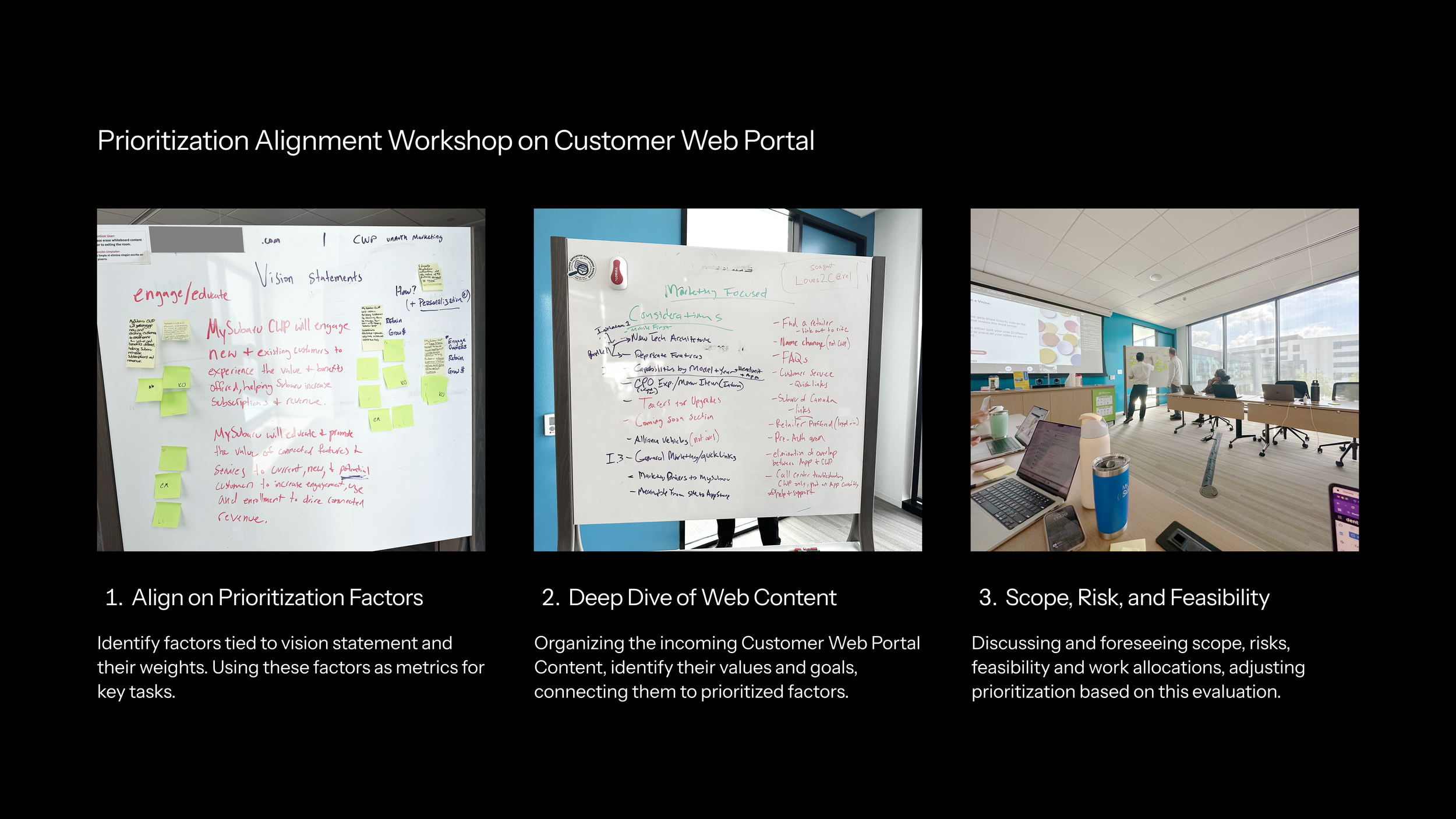
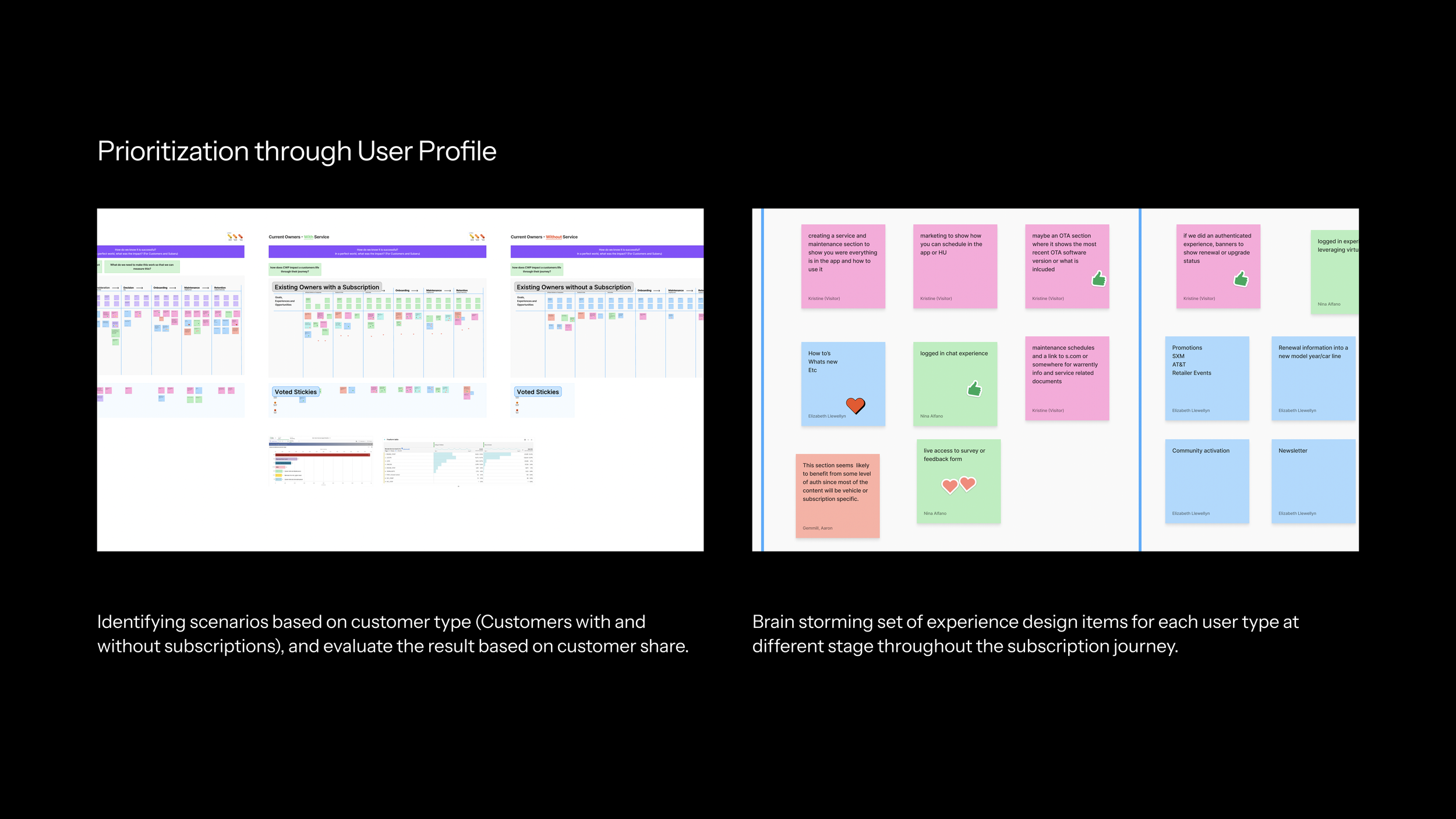
This step aligns on what ships first and why. This sequenced delivery reduce risk, set expectations and measure adoptions.
In the following Customer Portal Project, MySubaru.com is being transformed from post-authenticated center to an open platform for users, with multiple ongoing and new tasks.
5. Build
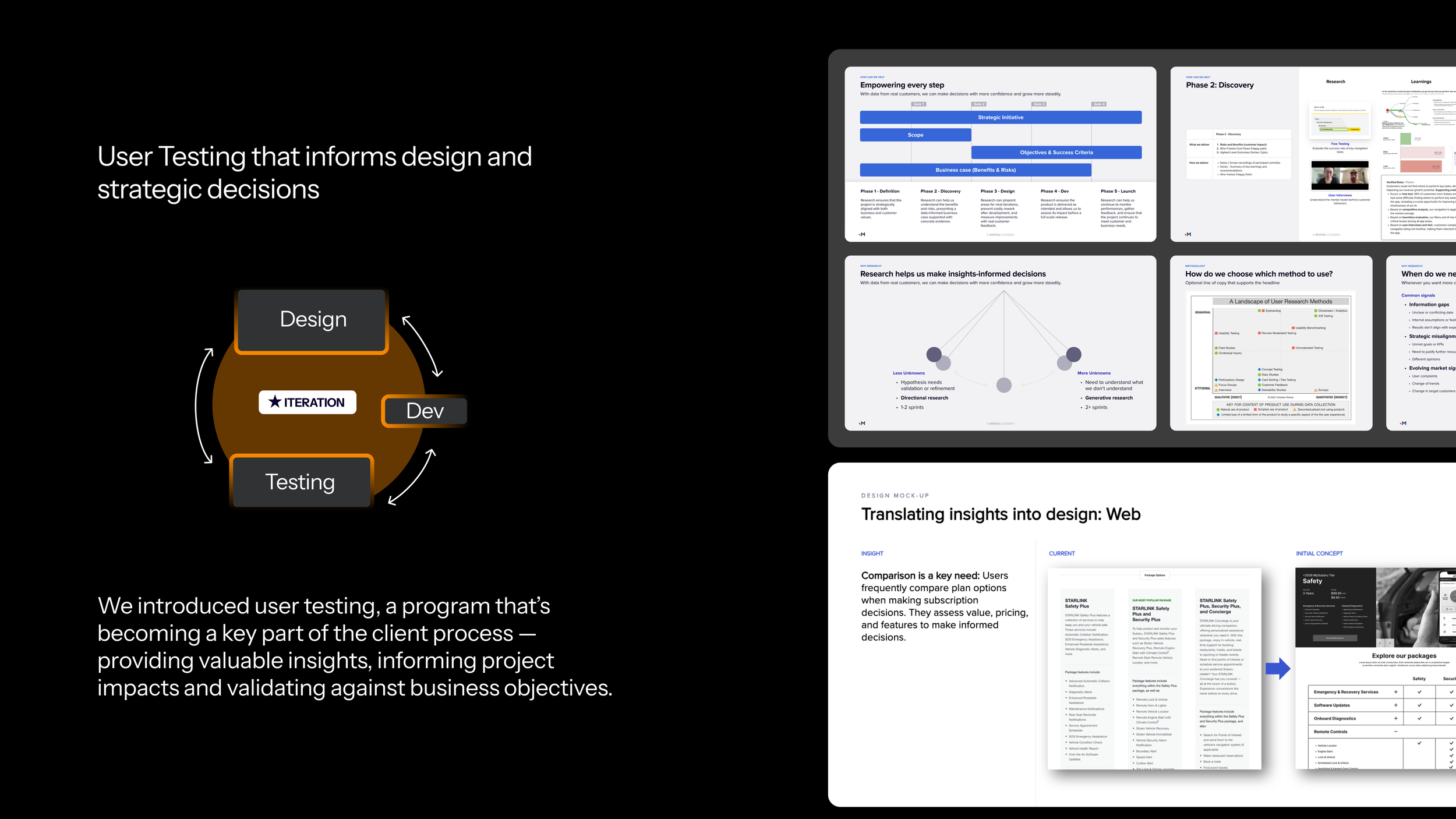
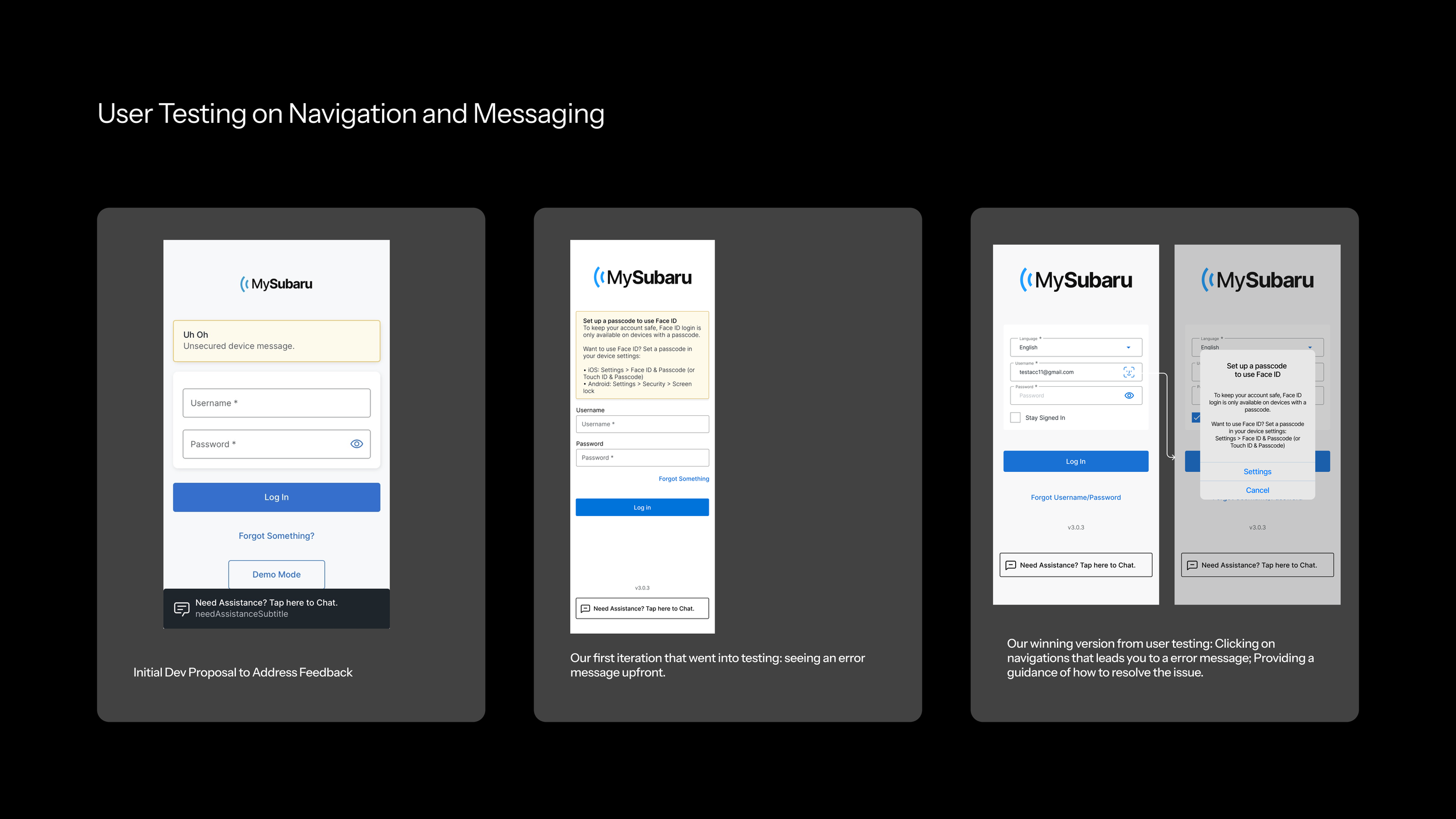
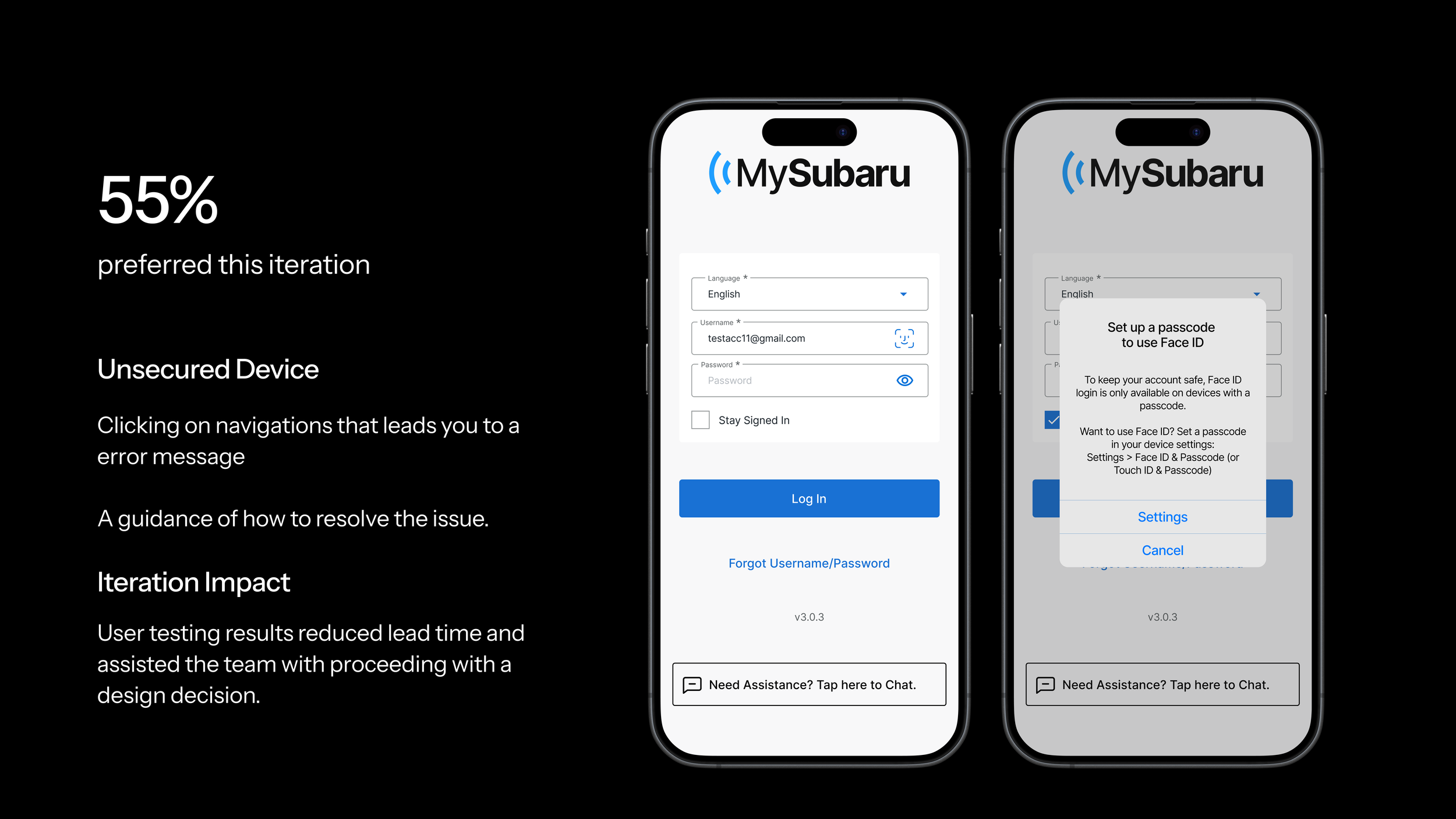
During this stage, we design, test and iterate idea with measurable impact. As we receive feedback from user testing, new research and ideation begin to inform early stage visions, goals, and even objectives.
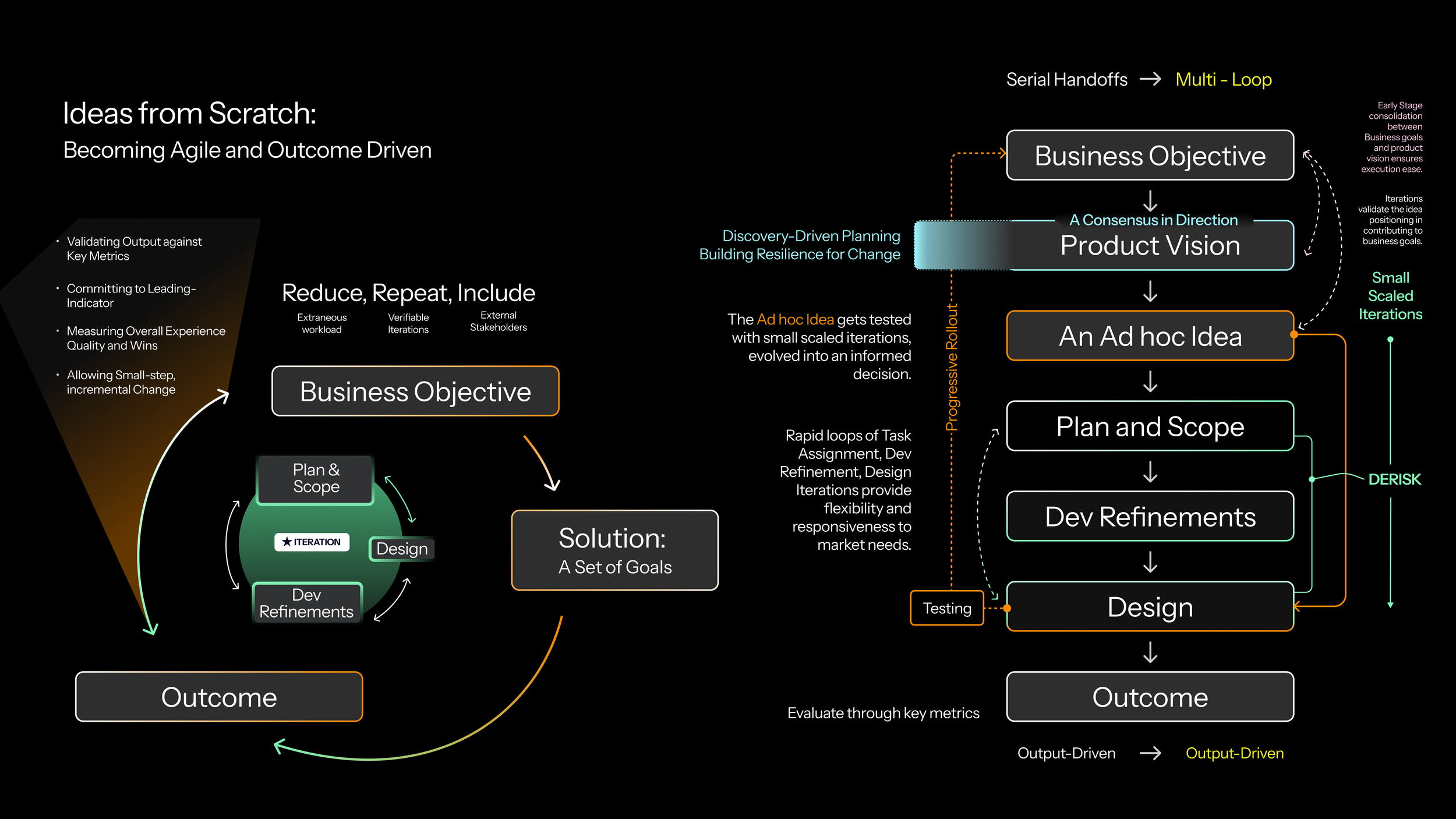
The New Working Methodology
Closing
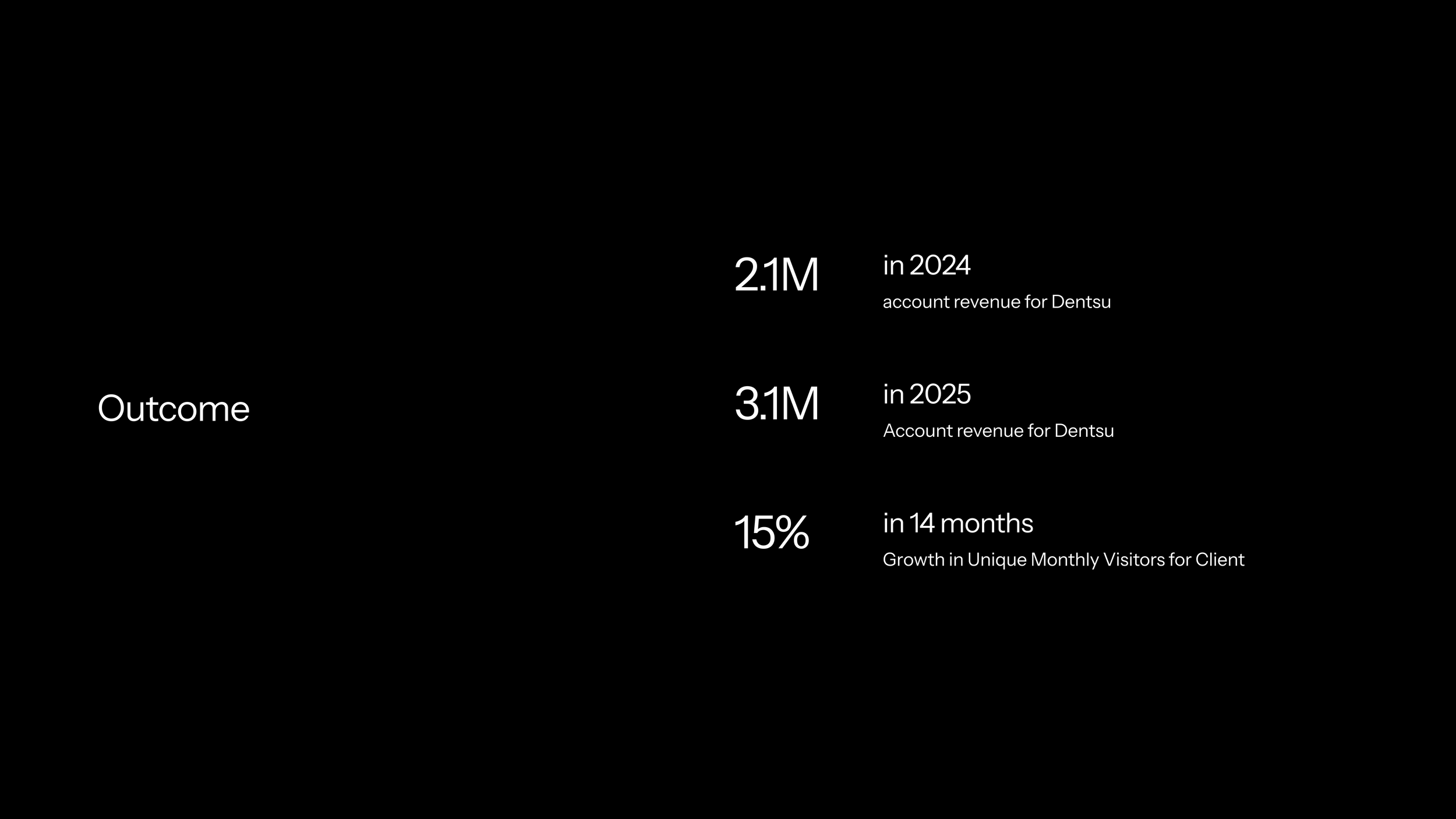
Together, we cultivated an environment for spontaneity, chance, and inspiration, by adopting scientific working method and rationalizing them against achievable metrics and validate their impact on business goals.
I’m motivated to continue finding and delivering the best solution for product delivery in the corporate world, balancing finance, market needs, user psychology, and team culture, expanding the scope and visions for designing an experience.
With this method, we capture spontaneity, the best ones.